DFM Available
We review your design for manufacturability and highlight risks, cost drivers, and improvement options before production.
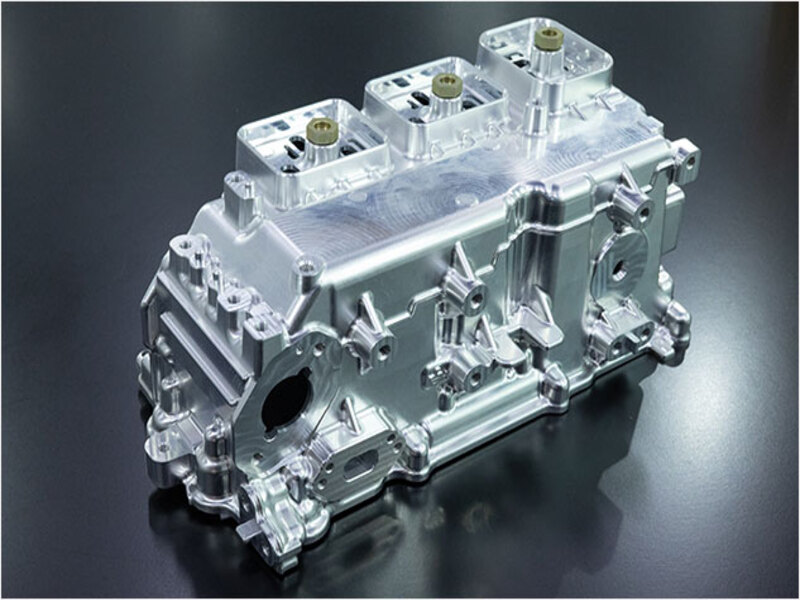
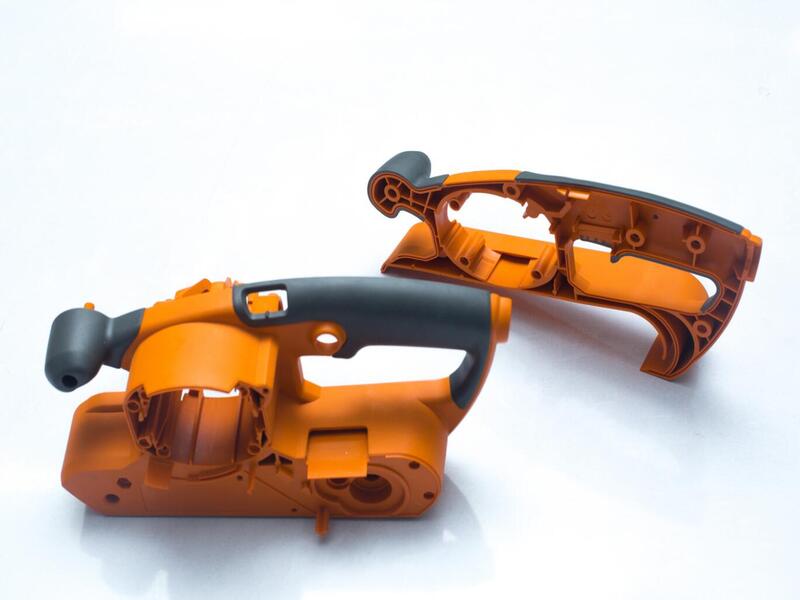


You need manufacturing support that helps reduce assembly issues, tooling changes, and production variation before they impact cost and delivery
We review your design for manufacturability and highlight risks, cost drivers, and improvement options before production.
CNC, molding, sheet metal, and finishing managed under one project—reducing handoffs, delays, and inconsistencies.
Clear timelines from quote to delivery, with milestone tracking across machining, finishing, and inspection.
Critical dimensions inspected and reported, with optional CMM and material certifications available.
From prototypes to small-batch production without high tooling investment or minimum order pressure.
A single project manager coordinates quoting, production, and delivery—ensuring consistent communication and accountability.
You don’t have time to manage multiple suppliers, fix production issues, or deal with delays that slow down your product launch.Premium Rapid & Mold gives you a complete manufacturing solution for plastic and metal components, from prototype to short-run production.You get faster timelines, better cost control, and consistent quality — all from one reliable partner.




The biggest difference for us was probably the communication during DFM review.
Instead of simply quoting the drawings, the Premium team pointed out several production risks around deformation, interface stability, and process variation before tooling even started. That saved us multiple revision cycles later.

We needed functional prototypes within a tight deadline. Premium Team finished the first batch of CNC parts was delivered in 5 days, with critical dimensions verified. That allowed us to complete fit and function testing without delaying the next development phase

One of our biggest frustrations with previous suppliers was the lack of visibility. We’d get a lead time, but no idea what was happening in between.
This time, we had a clear understanding of the steps—what was happening, what could affect timing, and when to expect updates. It made planning on our side much easier.

Learn how to reduce assembly variation, tooling issues, deformation, and production inconsistency across custom-manufacturing projects
Most RFQ problems do not start in production. They start because different departments are working from different assumptions. Engineering focuses on manufacturability.Quality focuses on inspection...

If you want a sheet metal supplier to quote accurately without making assumptions, you should provide more than just a PDF drawing. A complete RFQ...
The right process depends on geometry, material, tolerance requirements, surface finish, production volume, and assembly conditions.
Projects often combine CNC machining, sheet metal fabrication, extrusion, molding, and RIM to balance cost, stability, and manufacturability.
Tolerance capability depends on both the process and the criticality of the feature.
Typical production ranges include:
CNC machining: ±0.01–0.02 mm
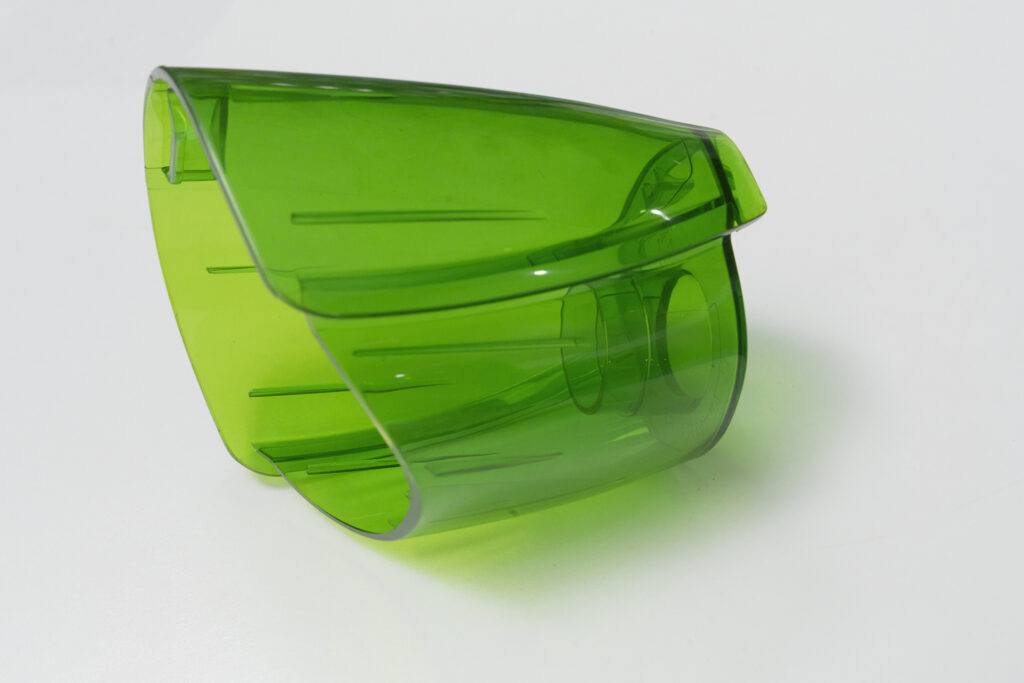
Injection molding: ±0.05–0.15 mm
Sheet metal fabrication: ±0.1–0.2 mm
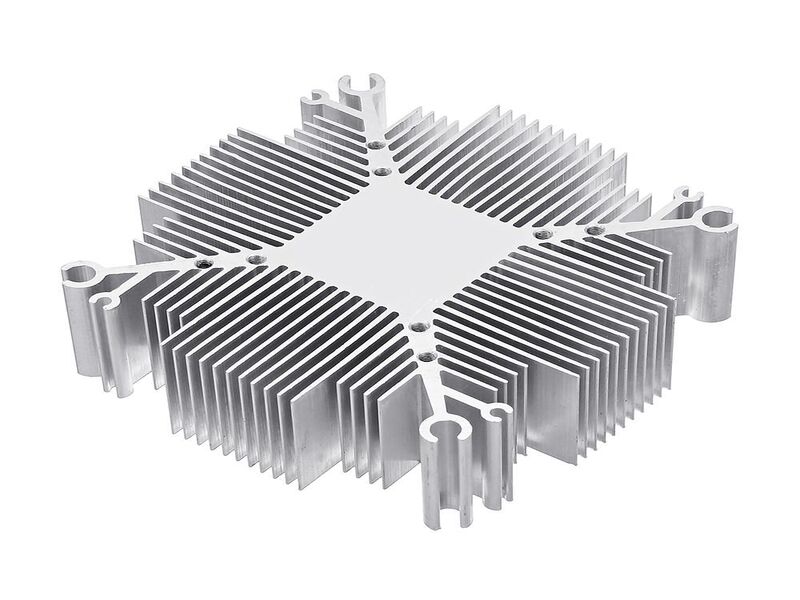
Aluminum extrusion: ±0.1–0.3 mm
RIM molding: ±0.25–0.5 mm
Critical interfaces are controlled differently from non-functional features to maintain manufacturability and assembly stability.
Yes. Many projects combine machined, fabricated, extruded, and molded components within the same assembly.
The key challenge is maintaining interface consistency between processes, especially during scaled production.adipiscing elit, sed do eiusmod tempor incididunt ut labore et dolore magna aliqua.
Prototype builds often do not fully expose tooling variation, material behavior, or process instability that appears during production scaling.
Tooling strategy and inspection requirements are aligned early to reduce variation during ramp-up.
Stable tooling, controlled process parameters, fixture consistency, and inspection of assembly-critical features help reduce variation between production runs.
The earlier manufacturing constraints are reviewed, the easier it is to avoid redesign, tooling changes, assembly variation, and production delays later in the project.
3D files, material preferences, tolerance expectations, surface-finish requirements, assembly conditions, annual volume, and application details.
Clear project information helps reduce quoting delays and manufacturing risk.